Gold Ribbon Hero: Lily R

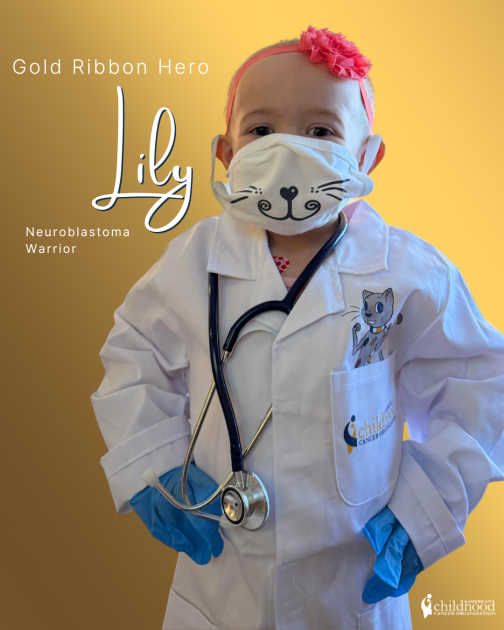
Gold Ribbon Hero: Lily R

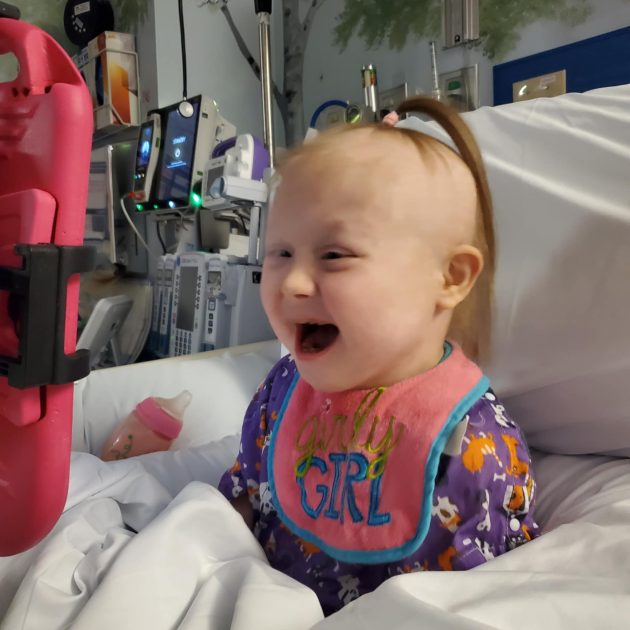
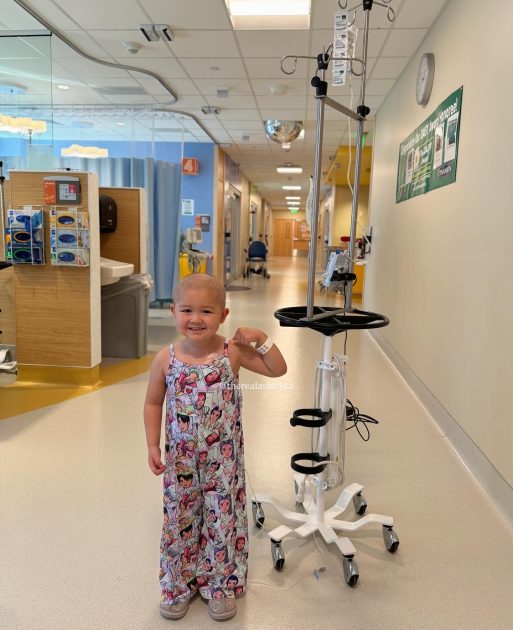
Meet Lily, a two year old two-time neuroblastoma warrior.

At just 18 months old, Lily was diagnosed with neuroblastoma after experiencing stomach pain that led her family to seek emergency care. What initially seemed like constipation quickly became something far more serious when imaging revealed a large mass in her abdomen.

Lily began treatment immediately by undergoing chemotherapy, surgery, bone marrow transplants, radiation, and immunotherapy. Through every scan, hospital stay, and procedure, she faced each challenge with courage beyond her years. In September 2025, Lily completed treatment and entered remission.

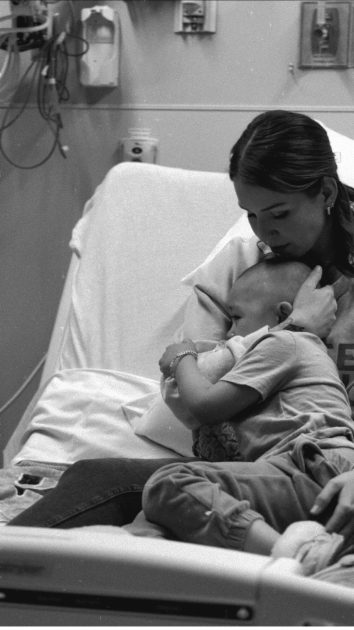
Just two months later, she faced another battle when her cancer returned and this time it was in her brain. After experiencing headaches, her parents acted quickly, leading to the discovery of the relapse. Lily underwent brain surgery and  is now continuing treatment with chemotherapy, immunotherapy, and radiation.

According to her mother, Lily is playful, loving, “spicy,” and endlessly inspiring.

Together, we can make a difference. Donate today, because kids can’t fight cancer alone!®

Learn more about neuroblastoma here: https://www.acco.org/neuroblastoma/

Meet 2026 ACCO Ambassador: Rylee

Meet Rylee, a 2026 ACCO Ambassador and 4-year-old ALL warrior.

Rylee’s mother, Ashley, tells the story in an Instagram post

“For days, I was told ‘she’s fine,’ then allergies, an infection, something minor, but I knew. I knew in my gut that something was seriously wrong. So I kept showing up and advocating for her. Urgent Care. The ER. Back to Urgent Care. Back to the ER. Each time, the list of symptoms grew…fevers, chills, body aches, a swollen eye, swollen lymph nodes, bruising, joint pain. Each time I left without answers. 

On August 6th, I refused to leave without one. I demanded a blood test. That day, at 5pm, I heard the words that absolutely broke me: [your child has] leukemia. Jacob was thousands of miles away, deployed overseas which meant I got this world shattering news all alone. Within hours, she was in an ambulance to Denver.

In just the first week, she’s had a port placed. A bone marrow biopsy. A lumbar puncture (where they added chemo to her spinal fluid), three blood transfusions, two platelet transfusions and her first two-hour chemo treatment.”

In early September, Rylee was declared in remission though the road ahead remains long, with treatment continuing through October 2027. By October, she began her first Blinatumomab (Blina) treatment, carrying her medication in a tiny “superhero” backpack for 28 days straight.

Rylee is like any four-year-old. She loves riding her bike and playing with her siblings. She dresses up and hosts tea parties. When she smiles, she lights up the room. Rylee is never short on positivity and is curious, thoughtful, and deeply interested in understanding what her body is going through. In her unboxing video of ACCO’s medical play kit, she says, “Look, Mom, this is what I use. I’m really going to be Dr. Ta now!” Her excitement radiates through the video. 

Ashley has one piece of advice for parents: “Trust your gut. Even if you feel like the “overreacting mom.” Even if you’re told, “it’s nothing.” Keep pushing. Keep asking. Keep showing up. Because sometimes, the fight to be heard is the fight that saves your child’s life.”

Ashley documents Rylee’s cancer journey beautifully and honestly, because, “When your child is diagnosed with cancer, you don’t get to fall apart. You show up—every single day—even when your own heart feels shattered into a million pieces.” 

Follow Rylee’s journey with ALL on Instagram.


ACCO’s Medical Play Kit and many other resources are free of charge to families of children battling cancer. Register here.

Together, we can make a difference. Donate today, because kids can’t fight cancer alone!®

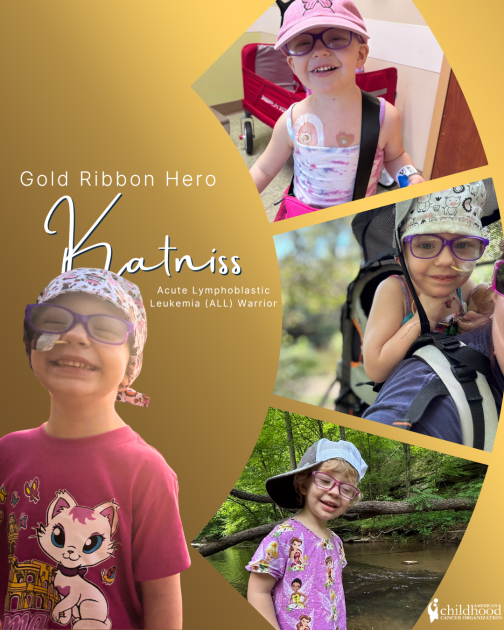
Gold Ribbon Hero: Katniss

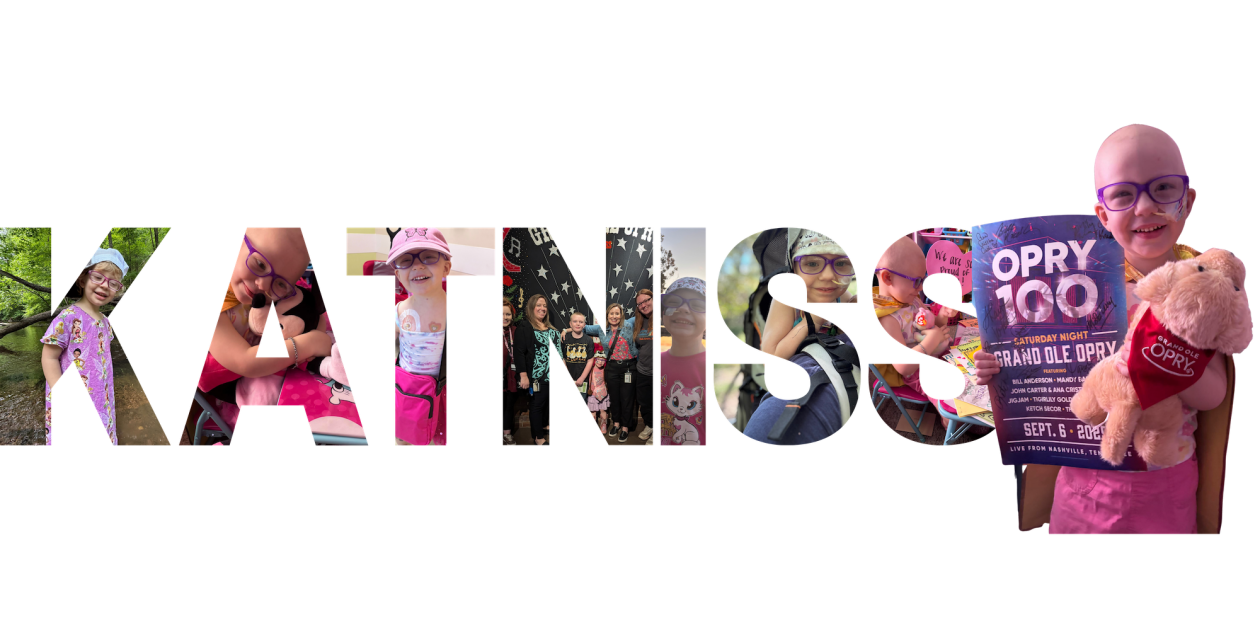
Meet Katniss, a Acute Lymphoblastic Leukemia (ALL) warrior.

Katniss’s leukemia journey began in June 2025, after strep throat didn’t improve and she started vomiting blood. When taken to the ER, she was neutropenic and anemic. A few days later, her parents learned she had leukemia.

“As a childhood leukemia survivor myself, hearing my baby girl has the same cancer broke my heart,” recalls her mother, Katherine.

Treatment started immediately, and Katniss faces two and a half years of chemotherapy, including port placement, bone marrow biopsies, and lumbar punctures. Through it all, her sassy personality and resilience shine, never letting cancer slow her down.

Katniss was featured as an ambassador at the Grand Ole Opry Chili Cook-Off in Nashville, TN but unfortunately wasn’t able to attend during the actual event. Instead, she came a few weeks later and she and her family toured the facility and watched the show! Read about the experience and the inspiring fundraiser here.

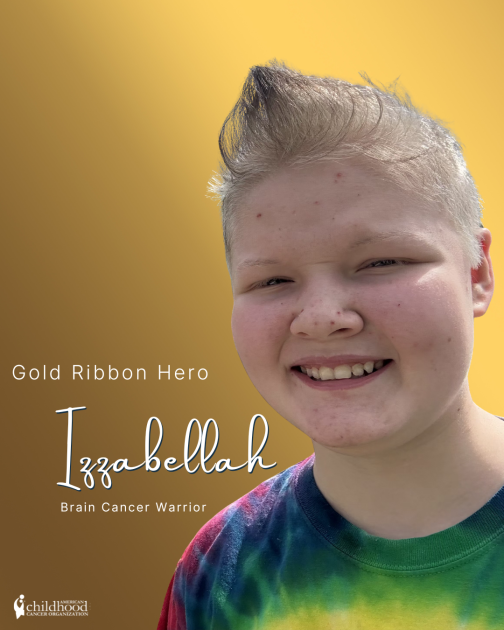
Gold Ribbon Hero: Izzabellah

Meet Izzabellah “Bellah,” a brain cancer warrior.

For four months, Bellah endured worsening headaches before an MRI revealed something was wrong. Her mom, Natalie, remembers: “She had an MRI, and I knew instantly something wasn’t right. We received a call an hour later, were sent to a regional hospital, and within hours were transferred to Riley Children’s Hospital.”

Doctors removed Bellah’s first tumor, but soon discovered more. She began 13 months of oral chemotherapy, followed by a second brain surgery. Next, came eight weeks of radiation and a return to chemotherapy.

Along the way, Bellah faced tough side effects from treatment, which meant meeting many new specialists and coping with the challenges of losing friends and missing out socially. Yet, she found strength in creating short videos and blogs to share her journey and encourage others.

Today, Bellah continues school while also working as an activity aide at a local nursing facility—showing resilience and hope every step of the way.

Together, we can make a difference. Donate today, because kids can’t fight cancer alone!®

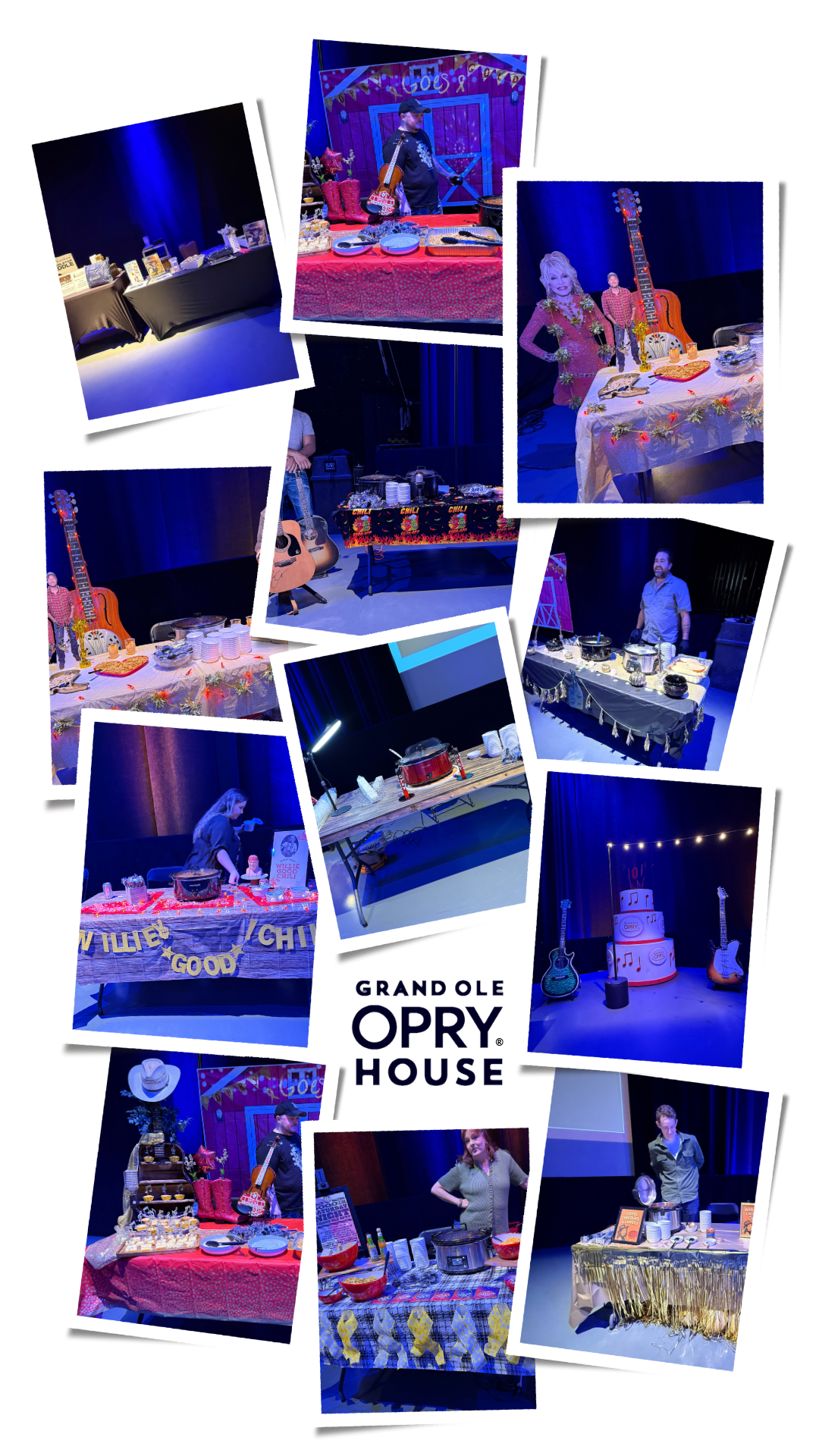
Grand Ole Opry Employees Spice Up Childhood Cancer Support with Chili Cook-Off

This year, the Grand Ole Opry House added a little extra heat to its halls—not from the music, but from some seriously delicious chili! Employees came together for the third annual Grand Ole Opry Employee Chili Cook-Off and Fundraiser, blending friendly competition, community spirit, and a big heart for kids fighting cancer.

A Flavorful Day of Fun

The Opry staff brought their A-game to the chili pot, serving up everything from classic savory favorites to bold, spicy surprises. Each booth had its own flair, from a to-scale Opry stage to a life-size cardboard cutout of Dolly Parton, showcasing creativity as much as culinary skill.

ACCO’s Blair Scroggs was a guest “celebrity” judge alongside Dawson, childhood cancer fighter, Haven’s father. Eddie Bayers, Opry Band Member and Country Music Hall of Fame Drummer, served as our final judge. 

Judging was fierce, laughter was abundant, and the aroma of chili filled the venue, creating an unforgettable atmosphere of camaraderie and giving.

Two Special Guests

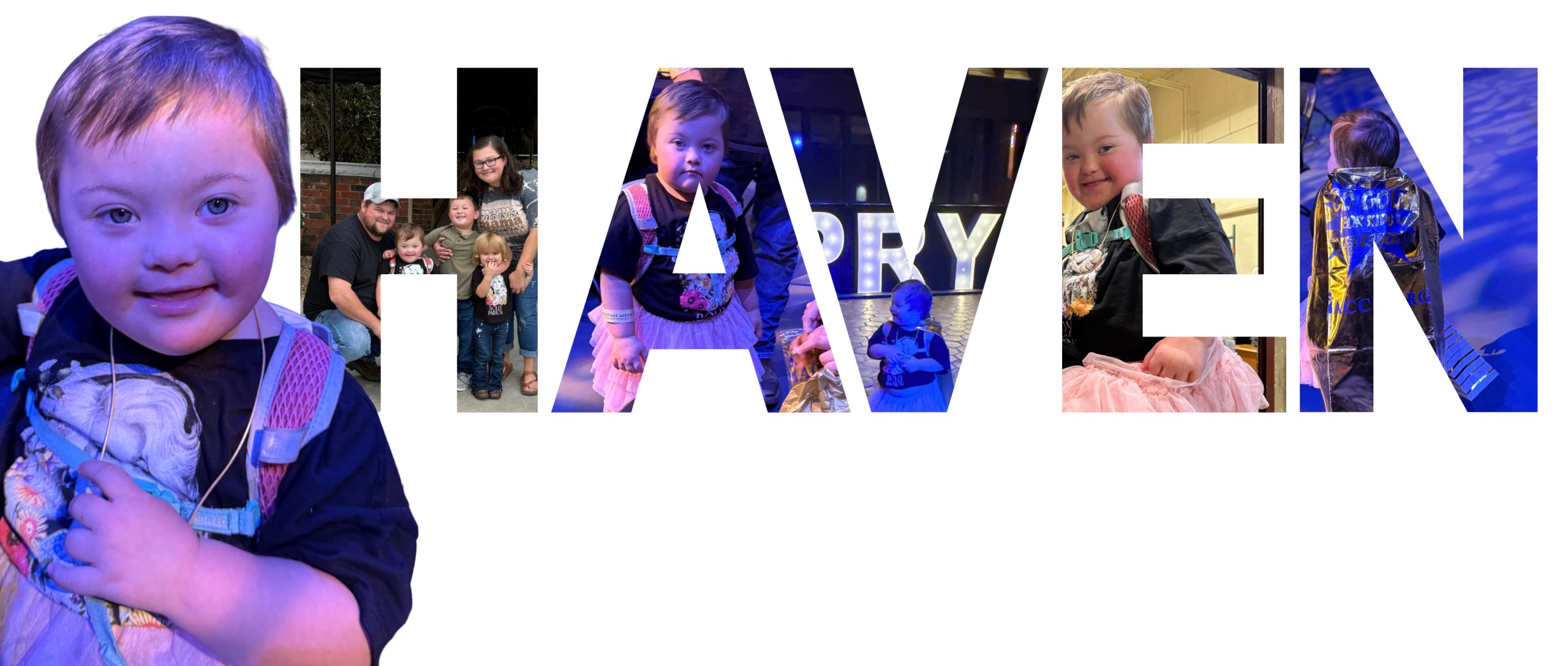
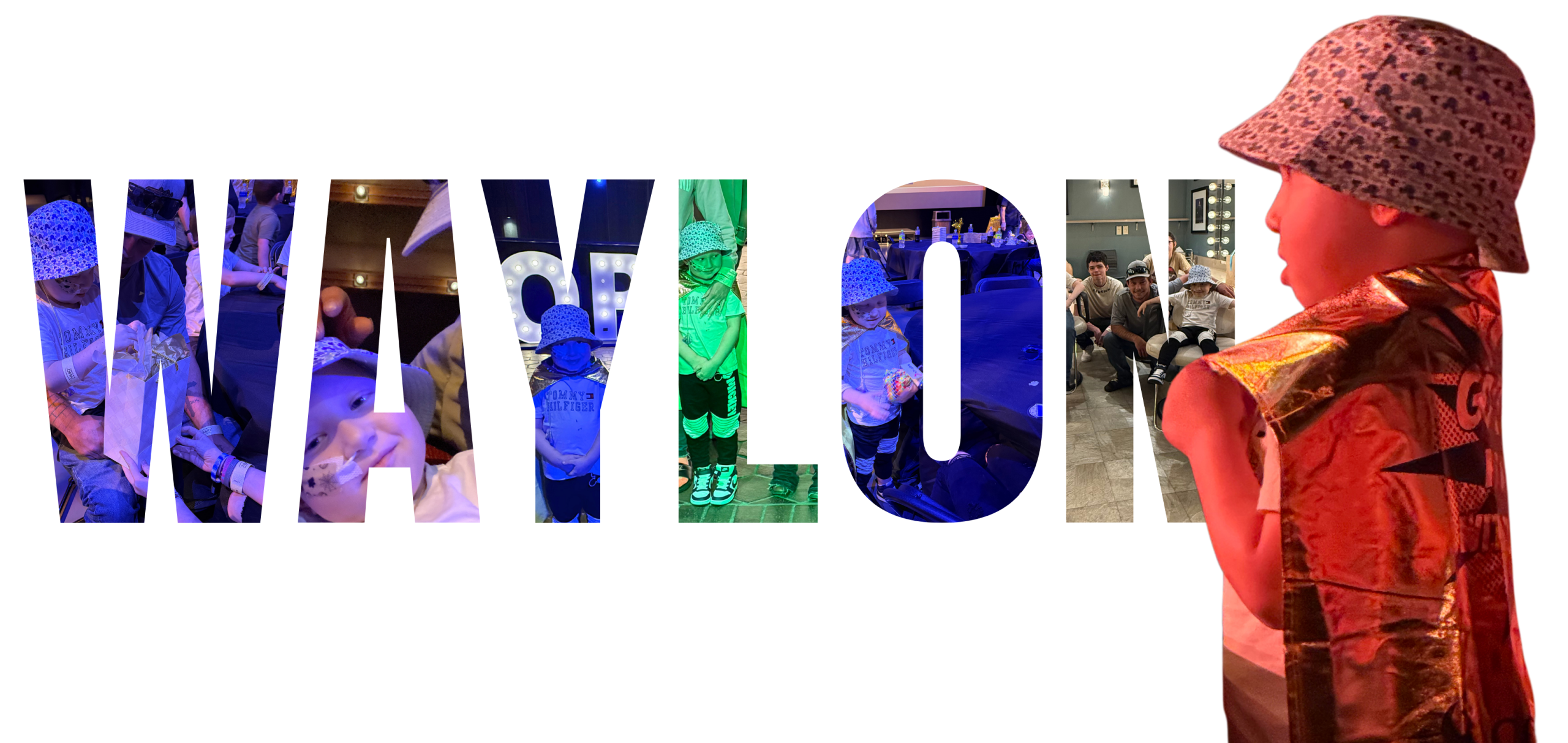
Two brave young guests and their families joined ACCO at the Grand Ole Opry. Haven and Waylon stole everyone’s hearts. They both came with smiles, curiosity, and courage and enjoyed every bite and every cheer from the Opry team. Their presence reminded everyone why this event matters: to support children and families facing the challenges of childhood cancer. Moments like seeing their eyes light up over a spoonful of chili made the day truly unforgettable.

About Haven: Haven’s cancer journey began in early March 2025, just a week before her fourth birthday. What should have been a day of birthday plans turned into hospital rooms and a port placement surgery. Diagnosed with B-cell ALL and facing treatment risks heightened by her Down syndrome, Haven spent more than three weeks hospitalized at the start of her journey.

Now six months in, she has completed her first month in remission and is approaching the next phase of treatment. Through every challenge, Haven’s bravery shines – she rarely complains, cries only when scared, and greets each day with courage and a smile. Her family admires her strength, resilience, and playful spirit, from coloring and swinging to swimming and camping adventures. Read her full story here.

About Waylon: Waylon is a 5-year-old, was diagnosed with large cell/anaplastic medulloblastoma and low-grade glioma (Grade 4, Stage M2) on April 24, 2025. His diagnosis came after persistent headaches, vomiting, and balance issues. Since then, Waylon has undergone two brain surgeries, completed 33 of 37 rounds of chemotherapy, and finished radiation treatment.

Through it all, Waylon has shown incredible strength and courage. He keeps fighting every day without giving up, inspiring everyone around him. Beyond his treatments, Waylon’s vibrant personality shines—he loves video games, spending time with family, and sharing his great sense of humor.

About Katniss: Katniss’s leukemia journey began in June 2025, after a persistent strep infection led to a frightening ER visit. She was neutropenic and anemic, and a few days later, her parents learned she had leukemia.

“As a childhood leukemia survivor myself, hearing my baby girl has the same cancer broke my heart,” recalls her mother, Katherine.

Treatment began immediately. Over the next two and a half years, Katniss will undergo chemotherapy, port placements, bone marrow biopsies, and lumbar punctures. Through it all, her sassy personality and resilience shine, proving that cancer can’t slow her down.

The Experience

The Grand Ole Opry staff had a wonderful experience planned for our two very special ambassadors and their families. Upon arrival, families got the star treatment entering through the Grand Ole Opry ‘Artist Entrance.’ From there, they were checked in by staff and brought to the Chili Cook-Off. At the chili cook-off event, two tables were set aside with Haven & Waylon’s name on them along with a bag of gifts from the Opry and the ACCO. 

After a meal, the two families were escorted around the Grand Ole Opry House on a private tour where they saw several dressing rooms, stood on stage and got to explore the backstage area like an artist! 

To end the night, families enjoyed the show and during the broadcast, the American Childhood Cancer Organization was recognized as the beneficiary of the cook-off. The Opry helped to raise crucial awareness for childhood cancer. 

Making a Difference

Thanks to the generosity of the Grand Ole Opry employees and all who participated, the fundraiser raised crucial funds that will directly support ACCO programs and families impacted by childhood cancer. Every bowl, every vote, and every dollar contributed to a cause bigger than any cook-off.

Looking Ahead

We are thrilled to announce that this will now be an annual tradition! And next year, we’re already planning to make it bigger, better, and even more impactful. Whether you’re a chili champion or a supporter cheering from the sidelines, there will be a place for everyone to join the fun and the fight against childhood cancer. More details to come!

Thank You

A heartfelt thank you to the Grand Ole Opry team, their amazing employees, Haven, Waylon and their incredible families who reminded us of the true meaning behind every fundraiser. Together, we’re building a community full of flavor, compassion, and hope for brighter futures.


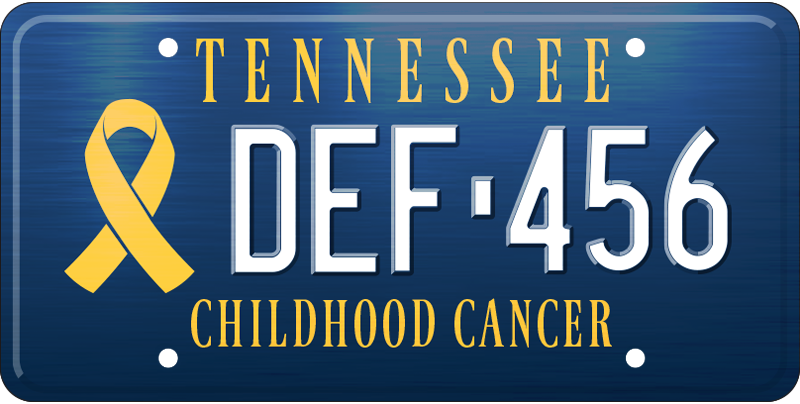
Tennessee Residents: Raise awareness everywhere you drive!

If you live in Tennessee, you can help this campaign by registering for your own childhood cancer awareness license plate. These plates will not go into production unless we reach a thousand registrants before the June 30, 2025 deadline, so every registration helps! Learn more here.


Interested in getting your employer or community involved? We’d love to work with you!

Corporate Partners: By partnering with the American Childhood Cancer Organization, the nation’s oldest and largest grassroots organization dedicated to childhood cancer, your company or organization is taking a stand for the 15,780 children in the United States under the age of 19 who will be diagnosed with some form of cancer this year.

From donating a percentage of sales to offering your customers an opportunity to give, there are many ways your company can help add to the over half a million families supported by the American Childhood Cancer Organization over the last 50 years. Learn More Here.

Community Members: Our mission is powered by countless people just like you who decided to step up and lend a hand. Whether you’re a highschooler running a gold-themed bake sale or a CEO hosting a pajama party in the board room, we’re happy to have you onboard! pick what type of event you’d like to run. ACCO has two signature events: PJammin® and GO GOLD®.

A PJammin® event is an awareness-raising pajama party, designed to highlight the battle that cancer’s littlest patients face in nothing but their pajamas.

A GO GOLD® event is more flexible, and could be anything from a marathon to a dance party, so long as it features the golden childhood cancer awareness ribbon! Learn More Here.

Creating Your Family’s New Version of Normal 

By Laura DeKraker Lang-Ree, childhood cancer advocate, speaker, and bestselling author of The Cancer Parent’s Handbook: What Your Oncologist Doesn’t Have Time to Tell You 

Cancer sucks for lots of reasons, not the least of which is the length of treatment. “When will  life return to normal?” you may wonder. That’s a tricky question. Even when treatment is done,  there remain long months or years of follow-up care to make sure the cancer stays away. So  the idea of ‘going back to normal’ certainly feels questionable at best. Ridiculous at worst. 

But here’s the reality: You and your family will be in cancer treatment and recovery for a long  time, so finding ways to make it feel more normal is crucial for your day-to-day existence.  

How? By normalizing the abnormal. Let me show you how. 

Step One: Establish Boundaries 

Once the initial shock and the first phase of treatment are behind you, you face forward and  think, “Holy crap, how am I going to get to the finish line?” That’s a big question. It all begins  with acceptance and surrender. 

  1. Accept and Surrender 

Yes, I know it sounds absurd. Accept Cancer? Surrender and give up? Not quite. Let me explain. 

On our journey, everything started to shift for the better when we accepted our circumstances and surrendered to the reality of the situation at hand: our toddler Cecilia had a life-threatening diagnosis of ALL and was facing 3 years of treatment. Bam. 

Interestingly, we found that once we stopped rebelling against these facts, we had the bandwidth to find our New Normal. And mental health professionals support this concept:  stop rebelling, and your brain has the space to creatively problem-solve. Pretty cool.

“Acceptance doesn’t mean resignation; it means understanding that something is what it is and that there’s got to be a way through it.” 

Michael J. Fox 

  1. Establish boundaries around language 

“She doesn’t look sick” was an irritating phrase spoken far too often in front of our daughter.  Yes, cancer is scary, but usually, a child with leukemia (as well as some other forms of  childhood cancer) is in clinical remission quickly since the initial phases of treatment knock the  cancer down, and subsequent years keep it that way (knock wood). Therefore, a cancer patient  is not sick; they are in treatment. That’s more than simple semantics; it’s a huge distinction  from a mental health perspective. 

It’s up to you to make it clear to your medical team, family, and friends how you want them to  talk about treatment at appointments, socially, and at school. Why? Because words matter.  They can lift us or destroy us in a second, especially when we are vulnerable. 

“Children with cancer often look well, even when undergoing intensive treatment, which can be confusing for peers and adults alike. Recognizing  that these children are living with a chronic, treatable condition, rather than being ‘sick’ — supports their psychological adjustment and social  identity.” 

Dr. Lori Wiener, PhD, Pediatric Psychologist, National Cancer Institute 

Toolbox Tip: 

  • If your child hears “You’re sick and weak” often enough, they’ll start to believe it.  Countless times at the hospital, we witnessed a child lose their power because of their  own parents’ fear and paralysis. Keep your language positive.
  1. Set Boundaries About Your Needs, Often 

Letting friends and family know what you need in terms of support and restating your  boundaries will be an ongoing conversation. This can be as simple as reiterating what you  don’t want – “no more lasagna” – and what you really need, “please pick up my son from  rehearsal every Tuesday”. Be specific and don’t accept stuff because you don’t want to hurt  someone’s feelings. You don’t have time for that. 

Toolbox Tip: 

  • Friends and family generally love to help, but tend to be pretty clueless about how to  help you. Make what you need crystal clear by sending out a weekly or monthly email  (or have a friend do it for you) or by posting on your Facebook or CaringBridge page. 
  • A full list of what to ask for and how to ask for it can be found in The Cancer Parent’s  Handbook, Chapter 6 
  1. Set Boundaries for Get-Togethers 

It’s so important for your whole family, especially your child in treatment, to spend time with  friends and loved ones whenever possible. That connection matters and can make everyone  feel just a bit more normal. But it’s just as important that your people understand how serious  it can be if your child catches even a simple cold or fever.  

Before you make plans, be sure your friends and family know they need to tell you if anyone in  their household is or might be sick. No guilt, just love and caution. 

Toolbox Tip 

  • As you ease back into school, activities, or the occasional playdate, consider creating a  text or email template that you can send to everyone involved.. Keep it short but clear:  explain why it’s important for others to stay home when they’re sick (hello, low ANC),  share quick tips for handwashing or sanitizing during contact time, and gently remind  

people not to call your child “sick” to their face. This is a great opportunity to set the  tone and boundaries around how others interact with your child. 

Step Two: Normalize the Abnormal

It bears repeating: If your child’s cancer treatment is lengthy, and it usually is, finding ways to  make this new situation as normal as possible is essential for your mental and physical well being as well as that of your entire family. We are not meant to live in fight-or-flight mode for  sustained periods. Medication needs to be taken, shots endured, and a treatment schedule  must be followed. Making that as ho-hum as possible helps your child shrug their shoulders  and surrender to the routine, versus having daily tantrums.  

And if your child is happy, everyone is happy. 

  1. Turn the Nasty into Nice 

In order to help your child better handle a scheduled weekly or monthly treatment, involve  them in the decision-making process and find ways to make it fun! Here’s a story that might  help you craft your own New Normal for your child’s scheduled chemo and radiation days.. 

At the end of Induction, our oncology nurse asked Cecilia if she wanted to come in for her  weekly labs and chemo shots or have her parents learn to do them at home. “At HOME!” she  said with a smile. Oh geez….. 

Bringing home a load of containers labeled “Biohazard” and being trained to forcefully impale  our child with chemo in her thigh was daunting. But with Cecilia’s input (crucial), we created an  awesome routine that included tacos and Dragon Tales with dinner, and a sugar-free popsicle  for dessert. Cecilia knew the shot had to happen before she could have the popsicle, so when  she was ready, she would sit on my lap with the cold spray and ice pack, focus on Dragon  Tales, count to three, and do her “whale breath” exhale as my husband, Arne, did the deed. 

Insert popsicle. 

I swear to you, not a single tear was shed in all those years. Why? Although we had  boundaries, we gave her power. She created the rules and the fun, surrounding that weekly,  nasty methotrexate poke. In her eyes, that nasty part of treatment had turned into a nice  evening to look forward to. 

Toolbox Tip: 

  • Maybe going to the hospital every week for a shot of chemo is stress-reducing! More  time away from the hospital was best for me. The key is to be in conversation with your  child and intentionally create routines and rituals that serve you both
  • ACCO has an amazing partnership with the Jel Sert company! Jel Sert provides a continuous supply of freezer pops to cancer treatment centers across the nation. https://www.acco.org/jelsert/ 
  1. Take a Deep Breath 

Another idea to help normalize the abnormal is breathwork. Breathwork is a highly effective  tool you can use for routine things like bloodwork or IV insertions as well as more invasive  situations. And, it’s highly effective when anxiety hits. It’s okay to be scared! And honoring  your child’s feelings is important. And, when you have to do uncomfortable things for months  on end, normalizing it by literally taking a deep breath can make a huge difference. 

Toolbox Tip: 

  • The American Institute of Stress says deep breathing gives your brain a boost of  oxygen and signals your parasympathetic nervous system to calm down, helping both  you and your child feel a bit more Zen in the moment. Consider purchasing a child’s  doctor kit so they can practice on themselves. 
  • Considering ordering ACCO’s free medical kit so they can practice on themselves! 

Specific examples for managing pain using breathwork can be found in the Self Care &  Resources chapter of The Cancer Parent’s Handbook. 

Step Three: Create Daily Traditions to Make the Scary Less Scary 

Crying every day before a pill has to be swallowed, or at weekly labs, simply isn’t sustainable  for anybody in the family. So, a big part of creating your New Normal is developing traditions  surrounding the daily grind of treatment to make it more tolerable and perhaps even a bit fun. 

Shots are scary – even for adults! And pills! Swallowing them can be hard for a child. So with  your child, identify what scares them the most and find ways to help them make that scary  thing less daunting. 

  1. Make the Dreaded Doable 

Cecilia was not a fan of her weekly labs. And honestly, the thought of driving to the hospital  (45 minutes away) with a cranky kid and her baby sister and waiting for our turn for labs for  three freakin’ years did not make me happy either. Cecilia and I put our heads together and 

came up with a plan. With permission from our medical team, the dreaded weekly labs ended  up becoming a lovely weekly tradition for everyone.  

Here’s how we did it: 

I found a lab within biking distance from our home, and once a week, I loaded our toddler Madi  and Cecilia into the bike trailer with a pile of books and grabbed a much-needed workout  around the neighborhood, ending up at the lab. Cecilia and our local phlebotomist got to know  each other, and he respected Cecilia’s request to be allowed to sit on Mama’s lap as she  practiced her breathing technique, and he slowly said, “One, two, three, GO!”. Then the needle  was inserted while baby sister held Cecilia’s other hand. Ceal never cried because she had a  sense of control over the situation. 

Toolbox Tip: 

  • Your child can use ACCO’s free Cozy Cat stuffed animal to facilitate role play, letting  your child pracitce needle sticks on the stuffed kitty. 
  1. Sweeten the Deal 

Afterward, we went out for a treat – bagels for the girls and a latte for me. Heaven. By the time  we biked home, the lab results were waiting for me.  

Doing weekly labs this way relieved any anxiety Cecilia might have felt going to the hospital  for labs and distracted me like crazy until I received her results and exhaled. She was still  cancer-free.  

Toolbox Tip

  • If taking pills, or the taste of pills, stresses out your child, try fitting them into an empty  gel cap that you can get at any pharmacy. These gel caps mask the bitterness and often  can fit more than one pill—voila! 

The sooner your child finds tools and tricks to manage anxiety like Cecilia did, the sooner you  can normalize these weekly procedures, removing the drama and tears from the situation. Use  the tips and tricks above to give your child a sense of control. Fears and tantrums will be  reduced, or, as was the case for us, eliminated altogether.

Pick one idea and give it a try. You’ll see how creating a sense of calm around your child’s  treatment will benefit you and your entire family’s mental health. 

Step Four: Creating A New Normal in Your Home 

During cancer treatment, a child’s ANC (absolute neutrophil count) is likely to stay low. This is  a common side effect of treatment and simply means your child will be more prone to catching  infections—something you want to avoid. A simple cold or fever can land you back in the  hospital for observation and may even delay your treatment. That’s no fun for anybody. 

One of the most effective ways to keep your child—and the rest of the family—healthy is to  clean up your environment. Yes, I’m talking about your home. Trust me, it’s empowering to  know that you can create a safe space, at least within your four walls. This is something you  can control. 

Here’s a list to get you started. 

  1. Shoes OFF 

Have everyone who enters your house remove their shoes before coming inside. Your shoes  are the biggest germ tracker into your home, and keeping germs outside—or at least just inside  the front door—protects you and your child from outside germs. 

  1. Wash Up 

Establish a hand-washing routine: Insist that everyone in your family and anyone visiting hits  the sink and washes up for thirty seconds with a generous amount of soap as soon as they  arrive. Sing Happy Birthday once through slowly (no cheating), and you’re done! 

  1. Clean Healthy 

As tempting as it is to bleach the crap out of everything, don’t. Every day cleaning products  with ammonia or bleach are toxic and can be brutal on your child’s immune system (seriously,  Google this). Even worse, these environmental toxins put extra strain on the liver, which is  already working overtime to process chemo. 

Toolbox Tip: 

  • House-cleaning products that are eco-friendly are commonly found at Target, large  grocery stores, and online. More expensive does not mean better! Find what fits your  budget and get cleaning. You can even DIY these products if you have the time. 

You’ll find a full list of resources about non-toxic home products of all kinds and how  you can clean up your home environment The Cancer Parent’s Handbook. 

Step Five: Creating Your Positude—Positive + Attitude 

Early on, Cecilia invented the word ‘Positude’ as her way of bringing a positive attitude to the  daily crap she had to face during treatment. As you create your New Normal, it’s the perfect  time to look for ways to encourage your child, your family, and yourself to find Positude, even  on the harder days.  

Here’s how:  

  1. Whenever Possible, Keep the Mood Light 

If your child is young enough, they likely won’t realize the mortality issues surrounding their  care, which is a blessing. Keep it that way by intentionally crafting your new way of life,  boundaries, and routines with love and a positive vibe.  

  1. Be Grateful

Focusing on being grateful is a highly effective way to train your mind to see the good that is  still in your life, even with a cancer diagnosis.  

Try a simple gratitude ritual: At bedtime, you and your child can each list five good things from  the day (and they don’t have to be big). Or make it a family dinner tradition with “Roses and  Thorns”. Each person shares one “rose” (something good) and one “thorn” (something hard)  from their day. It’s a great way to help your family stay connected, be real about the tough  stuff, and notice the good that’s still there.  

  1. Keep Play Alive 

Do your best to carve out play time – at the park, with friends, or wherever joy happens – while  quietly dodging germs and sneezes. We turned hand-sanitizing into a quick, goofy game, so it  never slowed Ceal’s sprint to the slide or her giggles with a new friend. 

The idea of applying a positive attitude towards life and its impact on healing is well researched. Cecilia’s dinosaurs were the beginning of our New Normal, cementing our  Positude, because they gave Cecilia the desire and power to fight by changing her mindset  about her experience. 

Rather than seeing cancer with fear and herself as a victim, she was hell-bent on kicking  cancer’s butt because she had a way to control that part of her world through imagination and  play. Friends and family slowly helped her build a menagerie of toy dinosaurs. And Cecilia  visualized them fighting for her, acting that out through play as she repeatedly told the story of  her dinosaurs destroying her cancer. She became one massively positive warrior.  

And thus, our New Normal began.  How will you start yours?! 

I wrote The Cancer Parent’s Handbook: What Your Oncologist Doesn’t Have Time to Tell You to be the guide I needed when my daughter was diagnosed. It’s full of real talk, practical tips,  and honest support on everything from hospital life and sibling dynamics to asking for help  and becoming your child’s best advocate. You’ll find more on this topic—and much more—at  my website. 

You’ve got this—and you’re not alone. 


About the Author

Laura DeKraker Lang-Ree is a speaker, writer, and fierce advocate for parents navigating pediatric cancer. Her bestselling book, The Cancer Parent’s Handbook: What Your Oncologist Doesn’t Have Time to Tell You, is a no-nonsense survival guide for overwhelmed caregivers. Follow Laura on Instagram @cancerparentshandbook or connect on LinkedIn.

👉 Grab the book: Amazon or at books2read


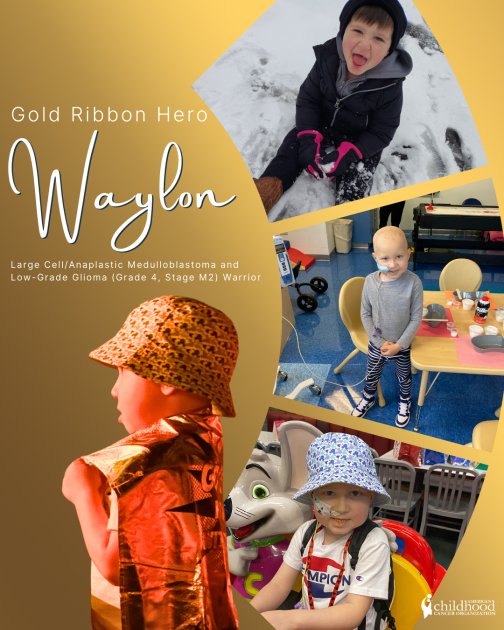
Gold Ribbon Hero: Waylon


Meet Waylon, a 5-year-old brain cancer warrior.

After continuous headaches, persistent vomiting and balance issues, Waylon’s family took notice. Since being diagnosed with large cell/anaplastic medulloblastoma and low-grade glioma (Grade 4, Stage M2) on April 24, 2025. 

“Our family’s whole world was turned upside down,” remembers Kayla, Waylon’s mother. 

Since then, Waylon has undergone two brain surgeries, completed 33 of 37 rounds of chemotherapy, and finished radiation treatment.

Waylon was featured as an ambassador at the Grand Ole Opry Chili Cook-Off in Nashville, TN. He and his family were able to attend the employee chili cook-off, tour the facility, and watch the show! Read about the experience and the inspiring fundraiser here

Gold Ribbon Hero: Haven


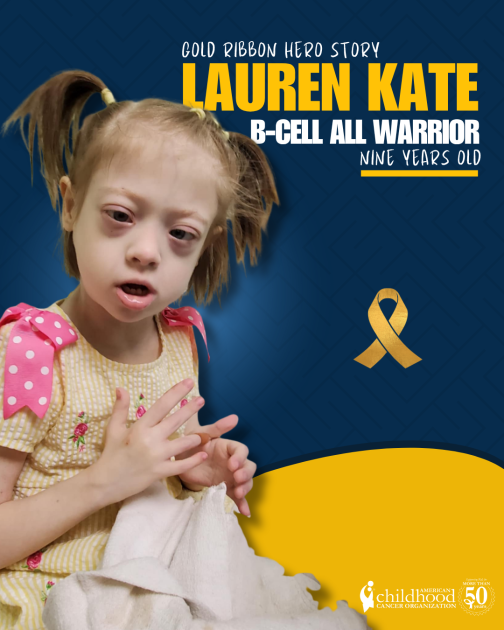
Meet Haven, a 4-year-old B-Cell ALL warrior. 

A week before Haven’s fourth birthday, Haven’s cancer journey began. What should have been a day of birthday plans turned into hospital rooms and a port placement surgery. Haven’s symptoms began with a suspected virus, then led to stomach bug symptoms. In the third week, she was extremely pale, lethargic and her parents knew something was wrong. Haven has a history of hypothyroidism, so a routine endocrinologist appointment was moved up in  hopes to figure out what was going on. 

Skyler Wells, Haven’s mother, remembers thinking, “I felt like nobody was listening to us and we knew something was wrong with our baby. She was a different child.”

The endocrinologist did many tests and called the family the next day saying that there was thyroid elevation in her results. A few moments later, they received a call that no parent wants to receive. 

“We have got her labs back and we need you to come to hematology/oncology as soon as you can bring a bag with you for an overnight stay.”

Initially, Haven was hospitalized for a little over three weeks which forced her to be away from her father and two siblings, Mason and Hadley. Because of her downs syndrome, Haven was at a higher risk of complications with leukemia treatments.

“I thought being told that she had down syndrome for the very first time when she was born was hard but hearing that your child has cancer is a slap in the face. What could I have done to prevent it? What have we done wrong? Why us? Why does my daughter have to go through this?”

Fast forward to six months after treatment started, Haven is considered to be in remission. 

Haven was featured as an ambassador at the Grand Ole Opry Chili Cook-Off in Nashville, TN. She and her family were able to attend the employee chili cook-off, tour the facility, and watch the show! Read about the experience and the inspiring fundraiser here

September Declared as Childhood Cancer Awareness Month in United States

September 2, 2025 – White House


This Childhood Cancer Awareness Month, our Nation stands with the thousands of families who face the tremendous challenges of childhood cancer.  We acknowledge their fortitude, faith, and unbreakable spirit—and we solemnly honor the memories of the precious young souls taken far too soon.

Tragically, over the last 50 years, rates of child cancer have skyrocketed by more than 40 percent.  To reverse these devastating trends, my Administration’s Make America Healthy Again initiative is working towards our goal of rooting out all chronic illnesses and health problems in children—including cancer—by getting toxins out of our environment, poisons out of our food supply, and ensuring our children are healthy and strong.

To further deliver hope to every child battling cancer, my Administration remains steadfast in our mission to finding a cure for these vicious diseases and advancing new, less invasive, and more effective treatments for all forms of cancer.  We are investing in preventative care and stopping cancer before it can take root by encouraging healthy eating, identifying leading causes of childhood cancer, and expanding access to cutting-edge therapies.

At the same time, we are committed to easing the financial burden for families whose children face cancer.  No parent should have to choose between paying for treatment and keeping a roof over their head.  That is why we are requiring hospitals and insurers to disclose actual prices—not estimates—and making drug and treatment costs comparable across providers, creating a more affordable and high-quality healthcare system.

This September, we vow to continue our work to deliver our youngest warriors the support they need to achieve ultimate victory over cancer—and to give every child the opportunity to live the great American life they deserve


What You Need to Know Right Now (and what can wait)

By Laura DeKraker Lang-Ree, childhood cancer advocate, speaker, and bestselling author of The Cancer Parent’s Handbook: What Your Oncologist Doesn’t Have Time to Tell You 

There is a dragon at the gate who means to do your child harm. Raise the drawbridge. Polish your armor. Sharpen your swords. You will find a way to fight and defeat it. The stakes are too high to do anything less than everything you can. A time will come to take off your armor and breathe again, and you will be the hope for another family. 

I wrote that little story during my five-year journey with childhood cancer—my child’s cancer treatment. Cecilia was diagnosed with ALL, acute lymphoblastic leukemia, when she was just three-and-a-half years old. Right now, you are reading this because somebody, your child, or a child you love, has been given a horrific and lengthy diagnosis like Cecilia was given— childhood cancer—and it sucks. My heart goes out to you. 

I know you want to fix everything and to understand everything right now – that’s human nature. But if you’ve just been diagnosed, take a deep breath and let me guide you towards a saner way of getting through these first few weeks. 

  1. What You Need to Know Right Now – The Big Picture 

As the parent of a newly diagnosed child, you actually do have some time to catch your breath and focus on a few important things. This list was created from a combination of my notes during treatment years and nuggets of wisdom from other warrior parents that I met over the years.

Listen up, I’ve got you. 

  • Stay centered 

Breathe deeply. You are surrounded by really smart oncologists and nurses, and your child will likely be assigned to a well-tested protocol. If there are big decisions to make, they will tell you.

  • Surrender to what is: your child has cancer 

This is a biggie. I’m not saying give up—but surrender. There is a huge difference. When you can accept what is happening, you can move forward. Denial, on the other hand, is a huge roadblock. In the beginning, you’ll need to breathe a lot and surrender again and again. 

  • Keep it simple 

Come up with a simple, age-appropriate, and non-terrifying way to explain what’s going on to your child. For our almost-four-year-old, we said, “You know how you have not been feeling so great? We found out the problem (name it)! And you are going to get help now.” 

  • Document everything 

You are in crisis mode, so don’t rely on your memory to help you right now. Bring a notebook or laptop and/or record all meetings with your medical team. If possible, bring your spouse, partner, or friend to these meetings so you have help hearing and absorbing information. 

Toolbox Tip: 

  • While tempting, limit your time on Chat GPT or doomscrolling websites about childhood cancer. There are some great resources out there, and some unfiltered, unchecked ones as well that will just freak you out more than you already are freaked out.
  • Consider joining a parent-run Facebook group for your child’s cancer diagnosis. These groups can be a lifeline for asking questions and gathering resources. Like the tip above, limit your time with these groups as they can be equal parts helpful and scary as everything is shared – the highs and the lows. 
  1. What You Need to Know Right Now – Friends, Family, School, and Work 

One of the most important things to remember throughout treatment is that you don’t have to do this alone. In fact, you shouldn’t. Friends, family, coworkers, teachers, and coaches will want to know how to support you and your family. 

Here’s your guide to help them help you and your family: 

  • Updates 

Ask one good friend or family member (who you trust is a good communicator) to text or email those nearest and dearest with the diagnosis details and updates, as well as ways that people can help you logistically or financially. 

  • Inform teachers 

Have that same friend or family member call all your children’s schools and fill them in. Your kids will not be doing much homework this week, maybe not the next. Eventually, you’ll come up with a schedule for your school-aged kids who are in treatment and their siblings. For now, homework doesn’t matter (And I say this as a veteran teacher!). 

  • Accept help from friends and family 

Whether it’s someone to sit with your child so you can put your face in the sun and cry, financial help, food, a drop-off of clean clothing, or a walk, you need the help. Take it. In The Cancer Parent’s Handbook, I teach you how to make all the offers of help work for you and your family, and if you are not getting those offers, how to ask for them.

  • Explore networks of help 

If family and friends are not nearby, talk to your child’s social worker and Child Life Services department at the hospital to see what their volunteers can help you with at home or while you are inpatient. If you are part of a faith community, let the office know what’s up, asap, and volunteers will be there to support you. 

  • Contact HR 

If employed, call HR and let them know what’s happening. Find out your rights and their policies around taking extended time off. 

Toolbox Tip: 

  • Knowing how to ask for help and what to ask for is an entire chapter in The Cancer Parent’s Handbook because it’s SO important! Feeling stuck? Make a short list on Sunday nights with your partner and include all the stuff you have to do (pick up cat litter) and a few things you want (a massage). Give that list to your friends or co-workers and watch what happens. 
  • Remember, people generally want to help; you just need to help them help you. 
  1. What You Need to Know Right Now – The Medical Stuff 

This part can be intimidating. But it’s okay not to understand everything on day one. For now, ask questions. Ask again. Step out of the room. Cry in the hallway. Learn to guide your child through the painful things, and yourself, too. 

Now is when you begin to become a fierce, informed, and intuitive advocate. 

  • Never be afraid to ask questions. Ask your doctor to repeat themselves as often as necessary. 

At least once a day, your oncologist will come by to update you and chat. Step out of the room and into the hallways when your medical team arrives so you can be

vulnerable and real without worrying about your child. You will have big, scary questions to ask your oncologist, and your child does not benefit from seeing your fear. It just freaks them out. 

  • Center your child 

When the nurse or phlebotomist comes into your room, ask for details about what they need to do and insist they give you the time and space to center your child. 

Then, ask your child if they want you to hold their hand or cuddle—whatever provides comfort and gives them some agency. Nobody wants to get randomly stuck with a needle without warning. 

Toolbox Tip 

  • Check out American Childhood Cancer Organization’s medical play kit to practice treatment procedures, before they happen in real life. 
  • Speak up 

You know your child better than the doctors and nurses, so if you feel like something isn’t right, it probably isn’t. Report any behavioral changes, look, or mood, as nine times out of ten, you will be right, and something will be wrong. Doctors and nurses rely on you to spot things because you know your kid best. I realize this is freaking terrifying right now, but you can do it. Trust your instincts, observe, and report. Never shy away from speaking up. 

  • Check everything (twice) 

You’re the parent, which means you’re now part of the quality control team. Check the medication and blood type labels every single time, ensuring that the medicine and blood type are correct, and, most importantly, that your child’s name is on them. As surprising as it sounds, it is ultimately your responsibility to ensure the medicine is for your child, that it is the correct medication, and that it is administered at the right time. Nobody else will do this for you. If something seems off, simply ask the nurse to double-check.

  • Get smart 

Study your child’s treatment plan (often called the roadmap or care plan). Understand the treatment as best as you can. Your growing wisdom may shock the crap out of your doctors, but it will also help you know what’s coming up and what to expect. Right now, just study the treatment plan so you can ask initial questions. Later, you can dig deeper. 

  • Connect with your medical team 

Strive to find a good connection with your medical team, but if it’s just not clicking, it’s okay to request a new oncologist. Your child will be with them for years to come, so that positive connection is important. But do give it time to evolve before deciding to switch. 

  • Meet your social worker 

Introduce yourself to the hospital social worker. Next month, you can ask for help with both small and large financial issues. 

Toolbox Tip 

  • Insist that your care team listens to you and treats the whole child, not just their cancer. All your questions and concerns are valid. 
  • You will have time later to figure out how you want to talk with your kid about treatment duration and what’s to come, so pace yourself. Later, especially if your child is older, they may want to be a part of these daily hospital chats from your oncologist, so they can also ask questions and feel that their voice is being heard. 
  1. What You Need to Know Right Now – You & Your Child 

There will be a strong urge to say yes to everything, spoil your child, and toss all your usual parenting practices out the window because you just want to make your child feel good. Don’t. In the middle of the medical whirlwind, your child still needs what they’ve always needed: your love, your presence, and boundaries (yes, even now). And you? You need moments to breathe, cry, rest, and regroup: one step, one healthy snack, one deep breath at a time. 

Here’s how: 

  • Avoid overindulging 

Do your best to limit the treats, junk food, excess gifts, or toys. It will be tempting to ply your kid with donuts and Legos because they have to get an IV, or if they won’t eat. But in the long run, this will be a difficult habit to unwind. 

  • Set boundaries 

Continue expecting the manners and kindness your child has been taught. Unless they are a puddle of tears, let them know that please, thank you, and kindness are still part of your family drill. 

  • Avoid comparisons 

Every child’s journey is different. What happens to someone else’s child doesn’t mean it will happen to yours. 

  • Focus on yourself 

Your mental health is paramount. If you are not okay, nobody is. There will be hard days, but there will also be many silver lining days. Look for them and hold on to them tightly. Take this marathon day by day, moment by moment, and try not to worry about what might be, just about what is (surrender!). 

  • Nix perfectionism 

You don’t owe anyone anything right now. Just focus on your child, your family, and genuinely helpful people. 

  • Remember your partner 

If you are in a relationship, prioritize it because if you don’t, it could fall apart. And if you are handling this solo, prioritize yourself. Right now, keep it simple. Find times for rest, short walks, and some alone time to process what’s happening.

  • One day at a time 

Take things one day at a time, sometimes one hour at a time. Each day may look different, and inconsistency is part of this journey, especially right now. In a few weeks or months, a routine will be established. I devote a whole chapter, “The New Normal,” to this topic in my book, The Cancer Parent’s Handbook: What Your Oncologist Doesn’t Have Time to Tell You. 

Toolbox Tip 

  • Breathe. 
  • Someday, this will all be a memory. 

For most families, that’s all you need to think about for now. The rest can wait. If you can only focus on one thing, focus on this: 

-Stay close to your child and take care of yourself. 

-Keep centered. 

-Accept what is, not because it’s fair or okay, but because fighting the reality won’t help you right now 

And remember, your presence is everything. Your child doesn’t need perfection; they need you, right here, right now, loving them through this moment. 

I wrote The Cancer Parent’s Handbook: What Your Oncologist Doesn’t Have Time to Tell You to be the guide I needed when my daughter was diagnosed. It’s full of real talk, practical tips, and honest support on everything from hospital life to advocacy, sibling dynamics to asking for help, and becoming your child’s best advocate. You’ll find much more on this topic in TCPH and on my website. 

You’ve got this—and you’re not alone.


About the Author
Laura DeKraker Lang-Ree is a speaker, writer, and fierce advocate for parents navigating pediatric cancer. Her bestselling book, The Cancer Parent’s Handbook: What Your Oncologist Doesn’t Have Time to Tell You, is a no-nonsense survival guide for overwhelmed caregivers. Follow Laura on Instagram @cancerparentshandbook or connect on LinkedIn.

👉 Grab the book: Amazon or at books2read